Introduction
In today's health care landscape, the significance of specialized training can not be overstated. For caregivers and health and wellness experts alike, understanding complex bowel care is not just an added ability; it's a necessity that can dramatically improve client outcomes. This post will certainly delve into different facets of Enhancing Your Skills with Complex Bowel Care Training Programs, particularly focusing on exactly how these programs aid furnish individuals with the expertise and skills needed to handle complex bowel care effectively.
As we browse this subject, we'll take into consideration important aspects such as stoma care training, the subtleties of caring for an ostomy, and the more comprehensive ramifications of reliable bowel care management. With a certain focus on NDIS (National Special Needs Insurance policy System) guidelines and demands, we aim to give a detailed introduction to both brand-new and experienced caregivers.
Understanding Complex Bowel Care Training
What Is Complicated Bowel Care?
Complex digestive tract treatment refers to the comprehensive management of individuals that have specific bowel-related requirements, frequently as a result of clinical problems or medical treatments like ostomy treatments. These conditions may consist of incontinence, Crohn's disease, ulcerative colitis, or post-surgical recuperation entailing stomas. The training outfits caregivers with advanced abilities that surpass standard digestive tract treatment practices.
Why Is Complex Bowel Care Important?
The importance of complex bowel care can not be understated. Lots of people count on caretakers to maintain their lifestyle post-surgery or throughout chronic illness management. Reliable digestive tract treatment not only enhances hygiene but likewise contributes to total physical wellness and psychological health. As a caretaker, having actually specialized training increases confidence in managing delicate scenarios effectively.
Components of Complex Bowel Care Training
- Knowledge Acquisition: Understanding illness impacting bowel function. Hands-On Skills: Practical training in stoma care and other techniques. Patient Interaction: Reliable communication techniques for sensitive discussions. Emergency Management: Identifying indications of complications that require prompt attention.
NDIS Complex Bowel Care Training
What Is NDIS?
The National Special needs Insurance System (NDIS) supplies support for Australians with impairments, guaranteeing they obtain comprehensive treatment tailored to their private needs. Within this structure exists the relevance of specialized training programs made for complicated digestive tract care.
NDIS Standards for Complicated Digestive Tract Care
Under NDIS standards, individuals needing assistance with complex bowel concerns are entitled to receive experienced caregivers that possess pertinent credentials. This includes being experienced about:
- Legal legal rights regarding personal health Customizing bowel treatment strategies according to private needs Maintaining self-respect and regard during caregiving
Choosing an NDIS Accepted Provider
When selecting an NDIS-approved company for complex bowel care training programs:
Verify Credentials: Ensure they are accredited by NDIS. Check Curriculum: Evaluation what subjects are covered in their training program. Seek Feedback: Try to find reviews from previous participants.Stoma Treatment Training for Carers
What Is Stoma Care?
A stoma is an opening produced surgically on the abdominal area that allows waste to leave the body when the typical route is not available due to injury or disease. Stoma care includes handling this opening up efficiently to stop infection and guarantee comfort.
Importance of Stoma Care Training
Training in stoma care is crucial for caregivers because:
- It ensures correct health practices are followed. It assists recognize indicators of issues early. It shows reliable communication with people concerning their condition.
Key Topics in Stoma Care Training
Understanding Types of Stomas: Colostomy vs ileostomy versus urostomy. Application Techniques: Correct approaches for using ostomy bags. Skin Protection Strategies: Preventing irritation around the stoma site.Comprehensive Review of Digestive tract Treatment Courses
Different Types of Bowel Care Courses Available
There are several kinds of programs readily available that focus on various aspects of digestive tract care:
|Program Kind|Emphasis Areas|| ----------------------------------|------------------------------------------------|| Fundamental Bowel Care Training|Basic principles|| Advanced Complicated Bowel Administration|Thorough procedures and techniques|| training for NDIS complex bowel care Stoma Care Details Programs|Specialized expertise on ostomy administration|| Emergency Situation Feedback in Digestive Tract Treatment|Dealing with immediate circumstances|
How to Choose the Right Course
When picking a program, consider:
Your present level of expertise Specific locations you desire to specialize in The qualifications offered upon completionComplex Bowel Care Management Techniques
Daily Monitoring Practices
Effective administration starts with daily regimens that include:
- Monitoring nutritional intake Keeping track of bowel movements Regular skin analyses around stomas
Adopting these habits makes certain that any modifications or concerns are determined promptly.
Nutrition's Duty in Digestive tract Health
Nutrition plays a crucial function in managing digestive tract wellness:
A balanced diet rich in fiber can boost digestive system health. Staying moisturized is vital for keeping regularity. Understanding food intolerances can help customize dish plans.Caring for an Ostomy
What Is Caring for an Ostomy?
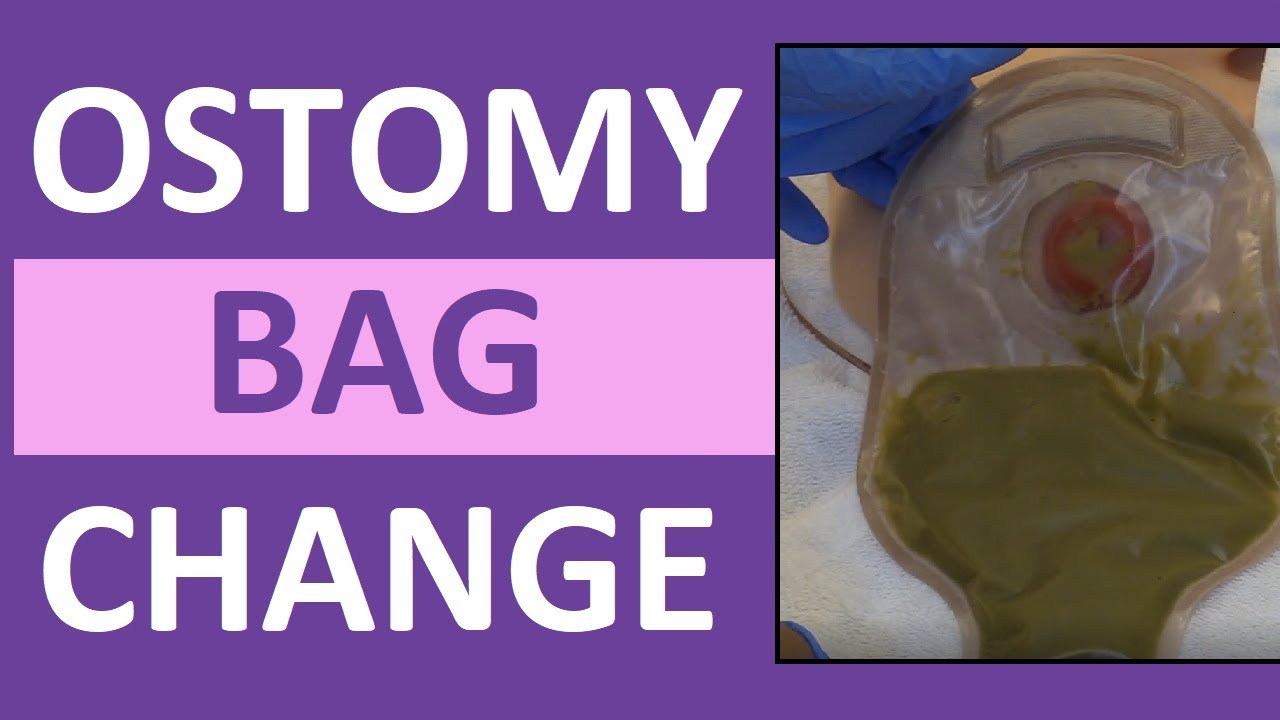
Caring for an ostomy includes preserving health around the stoma location, transforming ostomy bags routinely, and making sure comfort via appropriate suitable equipment.
Challenges Faced by Ostomates
Individuals living with ostomies frequently deal with:
Emotional challenges related to self-image post-surgery. Physical pain if bags are not fitted correctly. Social preconception associated with noticeable ostomies.By giving thoughtful support and useful understanding, caregivers can significantly minimize these challenges.
Ostomy Care Fundamentals
Basics Every Carer Should Know
Here's a concise listing covering vital aspects every caretaker must know with pertaining to ostomy care:
Recognizing signs of infection (inflammation, swelling). Knowing just how typically provides demand substitute (normally every 3-- 7 days). Utilizing proper products designed for sensitivity.What Is an Ostomy?
An ostomy is a surgery that develops an opening (stoma) from an interior body organ to the outside body surface-- especially made use of when components of the intestine or urinary system must be bypassed due to ailment or injury.
What Is Ostomy Care?
Ostomy care includes all tasks required to maintain correct hygiene around the stoma website and make certain convenience throughout life activities while stopping issues such as infections or skin irritations.
FAQ Section
1. What does NDIS complex bowel care training entail?
NDIS complex bowel care training consists of specialized education and learning concentrated on handling people with certain requirements associated with their bowels or stomas under Australian special needs support guidelines.
2. That benefits from stoma care training?
Both caretakers and medical care professionals take advantage of stoma care training as it outfits them with essential abilities needed when helping individuals who have undergone surgical procedures calling for ostomies.
3. For how long do most bowel care courses take?
The period differs widely depending on program depth; basic programs could take a couple of days while advanced ones can extend over weeks or months including sensible assessments.
4. Are there online alternatives available for these courses?
Yes! Many establishments currently offer on-line versions that offer adaptability while still keeping strenuous standards in education shipment relating to facility digestive tract administration topics.
5. Can I get government financing for participating in these programs?
In lots of situations indeed; if you're qualified under NDIS you might receive economic support which covers costs related straight linked in the direction of your caregiving capabilities especially focusing on specialized locations like complicated bowel management!
6. Is there recurring assistance after finishing a course?
Most trusted organizations offer proceeded resources such as webinars or discussion forums where previous pupils can connect about real-life experiences applying learned concepts post-training completion!
Conclusion
As we've explored throughout this article labelled Enhancing Your Abilities with Complex Bowel Care Training Programs, it's clear that specialized education plays a crucial role in improving individual end results and boosting caregiver confidence when taking care of sensitive clinical conditions bordering bowels and ostomies alike! By spending time into comprehensive understanding with courses provided under structures like NDIS-- caretakers not just far better themselves yet also favorably influence lives they touch on a daily basis! To conclude-- education and learning absolutely continues to be critical within medical care settings today even more than ever before!

This concludes our expedition into improving your abilities via focused educational paths focused on addressing complexities bordering bowels & & ostomies!